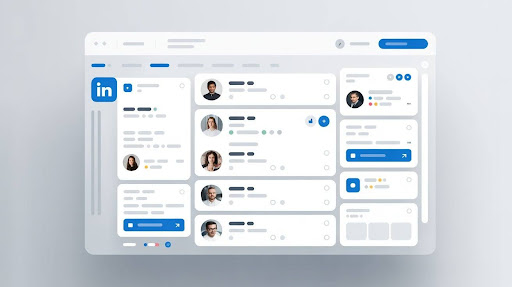
LinkedIn is where many businesses share their most professional updates, industry opinions, hiring news, company achievements, event highlights, and thought leadership content. But most of that valuable content stays only on LinkedIn unless you bring it to your website.
A LinkedIn feed widget helps you display your LinkedIn posts directly on your website. It makes your site look active, credible, and socially connected without manually updating content every time. For businesses, agencies, SaaS brands, recruiters, and B2B companies, this can be a simple way to turn LinkedIn activity into website trust.
What Is a LinkedIn Feed Widget?
A LinkedIn company feed widget is a website element that displays LinkedIn posts, company page updates, or selected LinkedIn content on your website.
Instead of asking visitors to leave your site and visit your LinkedIn page, the widget brings your LinkedIn updates directly to them. It can show recent posts, brand updates, event announcements, employee posts, industry insights, and other professional content in a clean layout.
In simple terms, a LinkedIn feed widget connects your LinkedIn content with your website and keeps your visitors engaged with fresh social proof.
How Does a LinkedIn Feed Widget Work?
A LinkedIn feed widget usually works through a third-party tool that collects your LinkedIn content and creates an embeddable feed for your website.
The process is simple:
- You connect your LinkedIn source.
- The tool collects posts or updates from that source.
- You customize the widget layout and design.
- The tool generates an embed code.
- You paste the code into your website.
- The LinkedIn feed appears on your page.
Once added, the feed can update automatically depending on the tool you use. This means your website can keep showing fresh LinkedIn activity without constant manual changes.
Why Businesses Use LinkedIn Feed Widgets
Businesses use LinkedIn feed widgets because they help make website content more dynamic and trustworthy.
When a visitor lands on your website, they want to know whether your brand is active, reliable, and credible. Showing real LinkedIn content can help answer that quickly.
A LinkedIn feed widget can help you:
- Show recent company updates
- Build professional credibility
- Display social proof
- Keep website content fresh
- Increase visitor engagement
- Support employer branding
- Highlight events and announcements
- Promote thought leadership content
For B2B brands, this is especially useful because LinkedIn is already a trusted platform for professional conversations.
Types of LinkedIn Content You Can Display
A LinkedIn feed widget can be used to display different types of LinkedIn content depending on your goal.
You can show:
- Company page posts
- Professional updates
- Event announcements
- Product launch posts
- Hiring updates
- Employee advocacy content
- Thought leadership posts
- Customer testimonials shared on LinkedIn
- Industry news and brand opinions
For example, a recruitment company can display hiring updates and employer branding posts. A SaaS company can show product updates and client wins. A digital agency can display case studies, campaign results, and team achievements.
Where Can You Add a LinkedIn Feed Widget on Your Website?
A LinkedIn feed widget can be added to different pages depending on what you want visitors to notice.
Some useful placements include:
Homepage
Adding a LinkedIn feed to your homepage shows that your business is active and socially present. It can make the page feel more updated and trustworthy.
About Page
Your About page is where visitors learn about your brand. LinkedIn updates can support your story with real company activity, team updates, and milestones.
Careers Page
A LinkedIn feed works well on a careers page because it can show company culture, employee stories, hiring announcements, and workplace updates.
Blog Sidebar
Adding a small LinkedIn widget to your blog sidebar can keep readers connected with your latest professional updates.
Landing Pages
For campaign or service landing pages, selected LinkedIn posts can work as social proof and support conversion.
Event Pages
If your brand shares event updates on LinkedIn, embedding those posts on event pages can make the page more engaging.
LinkedIn Feed Widget for Different Website Platforms
A LinkedIn feed widget can be added to most major website platforms. The exact steps may differ, but the basic idea is the same: create the widget, copy the embed code, and paste it into your website.
Common platforms include:
- WordPress
- Shopify
- Wix
- Squarespace
- Webflow
- HTML websites
- Elementor
- Weebly
This makes it useful for businesses of all sizes, whether they use a custom website or a no-code website builder.
How Tagembed Helps You Create a LinkedIn Feed Widget
Tagembed is a social media aggregator tool that helps you create and display LinkedIn feeds on your website without coding.
With Tagembed, you can collect LinkedIn content, customize the widget design, and embed it on your website using a simple code. It is useful for marketers, website owners, agencies, recruiters, and business teams that want to display professional LinkedIn content in a clean and branded way.
Tagembed helps you with:
- No-code LinkedIn feed widget creation
- Responsive layouts for desktop and mobile
- Custom design and styling options
- Moderation to control what appears on your website
- Easy embed code generation
- Compatibility with major website platforms
- Fresh LinkedIn content display on your website
Instead of manually adding LinkedIn posts one by one, Tagembed makes the process easier and more manageable.
Step-by-Step: How to Add a LinkedIn Feed Widget Using Tagembed
Here is a simple way to add a LinkedIn feed widget to your website using Tagembed:
Step 1: Sign Up or Log In to Tagembed
Create a Tagembed account or log in to your existing account.
Step 2: Choose LinkedIn as Your Source
Select LinkedIn as the source and connect the LinkedIn content you want to display.
Step 3: Customize the Widget
Adjust the layout, theme, colors, font style, card design, and spacing so the widget matches your website branding.
Step 4: Moderate the Content
Use moderation options to hide irrelevant posts and keep only the most useful LinkedIn updates visible.
Step 5: Generate Embed Code
Once the widget is ready, generate the embed code from Tagembed.
Step 6: Add the Code to Your Website
Paste the embed code into your website page, HTML block, CMS editor, or website builder.
Step 7: Publish and Test
Publish the page and check how the LinkedIn feed looks on desktop and mobile.
Best Practices for Using a LinkedIn Feed Widget
A LinkedIn feed widget works best when it is used with purpose. Do not add it only because it looks nice. Add it where it supports trust, engagement, or conversion.
Follow these best practices:
- Keep the feed relevant to the page
- Use a clean and simple layout
- Avoid showing too many posts at once
- Make sure the widget looks good on mobile
- Match the widget design with your website branding
- Use moderation to remove unrelated content
- Place it where social proof matters most
- Keep your LinkedIn page active
A good LinkedIn feed should support the user journey, not distract visitors from the main page content.
Common Mistakes to Avoid
Many websites add social widgets without planning the placement or content quality. This can reduce the impact of the widget.
Avoid these mistakes:
- Adding too many LinkedIn posts on one page
- Placing the widget where users may ignore it
- Using outdated or inactive LinkedIn content
- Ignoring mobile responsiveness
- Not moderating irrelevant posts
- Making the widget design too heavy
- Adding it without a clear purpose
- Slowing down the page with unnecessary scripts
The goal is to make your LinkedIn content improve the website experience, not clutter it.
Final Thoughts
A LinkedIn feed widget is a simple way to bring your LinkedIn activity to your website. It helps you show professional updates, build trust, display social proof, and keep your website content fresh.
For businesses that already post on LinkedIn, adding a LinkedIn feed widget can make that content work harder. Instead of staying only on LinkedIn, your updates can support your website visitors, leads, job seekers, and potential customers.
With tools like Tagembed, creating a LinkedIn feed widget becomes easier because you can collect, customize, moderate, and embed LinkedIn content without coding.
FAQs
1. What is a LinkedIn feed widget?
A LinkedIn feed widget is a website element that displays LinkedIn posts or updates directly on your website.
2. Can I add a LinkedIn feed widget without coding?
Yes, tools like Tagembed allow you to create and embed a LinkedIn feed widget without coding.
3. Does a LinkedIn feed widget update automatically?
Many LinkedIn feed widgets can update automatically when new content is published, depending on the tool and settings used.
4. Where should I place a LinkedIn feed widget?
You can place it on your homepage, about page, careers page, landing pages, blog sidebar, or event pages.
5. Is a LinkedIn feed widget useful for B2B websites?
Yes, it is useful for B2B websites because LinkedIn content can show professional activity, thought leadership, company updates, and social proof.


Leave a comment